 NutraSphere
Balanced Meal Planning
Exploration of concepts related to meal composition and planning approaches across different contexts.
February 2026 | Educational Article
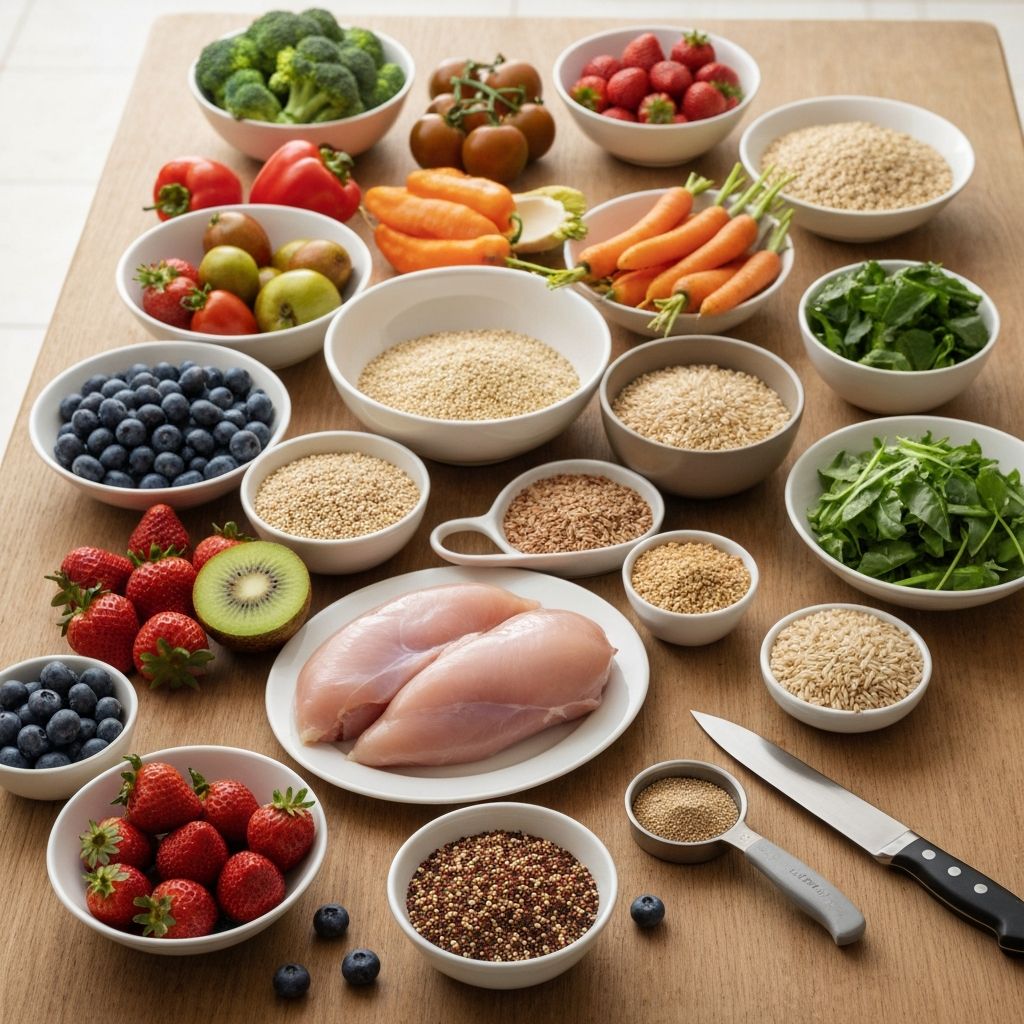
Introduction to Meal Planning Concepts
Meal planning represents a deliberate approach to food selection and preparation over time. This practice varies considerably across individuals, households, and cultures, reflecting different priorities, resources, and circumstances.
The concept of planning meals involves considering various factors: nutritional content, taste preferences, budget constraints, time availability, cooking skills, and food storage capabilities. How these factors are weighted and balanced differs significantly among people.
This article explores meal planning as an educational topic, examining the concepts and considerations involved without prescribing specific approaches for individual application.
Components of Meal Composition
When considering meal composition, nutritional education often discusses the inclusion of foods from multiple food groups. This framework provides a way to think about variety and nutrient distribution within meals.
Macronutrient Distribution
Meals typically contain varying proportions of carbohydrates, proteins, and fats. The distribution of these macronutrients differs based on the specific foods chosen and cultural eating patterns. Different cuisines have developed distinct approaches to combining these elements.
Carbohydrate sources in meals might include grains, starchy vegetables, or legumes. Protein sources vary from animal products to plant-based options. Fats appear through cooking methods, natural food composition, or added ingredients. The proportions of these elements in meals reflect both cultural traditions and individual preferences.
Micronutrient Considerations
Vitamins and minerals are distributed across various food types. Including diverse food sources in meals increases the range of micronutrients consumed. Vegetables, fruits, whole grains, and protein sources each contribute different micronutrient profiles.
The concept of variety in meal planning relates partly to accessing a broader spectrum of these nutrients. However, specific micronutrient needs vary by individual characteristics, and educational resources describe these concepts without determining individual requirements.
Meal Frequency and Timing Patterns
Cultural and individual patterns of meal frequency vary considerably. Some eating patterns center on three main meals daily, while others incorporate more frequent smaller eating occasions. There is no single universal pattern that applies across all populations or situations.
Traditional Three Meal Structure
Many societies have developed conventions around breakfast, lunch, and dinner. The timing, size, and composition of these meals vary by culture and individual circumstances. Work schedules, family structures, and daily activities all influence when and how these meals occur.
Breakfast patterns range from substantial morning meals to lighter fare or skipping morning eating entirely. Lunch practices vary from quick convenient options to more elaborate midday meals. Dinner or evening meals often represent the largest eating occasion in many cultures, though this is not universal.
Alternative Eating Patterns
Some individuals structure their eating around more frequent smaller meals or snacks throughout the day. Others may consume fewer, larger meals. These patterns develop based on personal schedules, hunger patterns, cultural background, and practical considerations.
Research examines various eating frequency patterns and their correlations with different health markers at population levels. However, individual responses vary, and what constitutes an appropriate eating frequency depends on numerous personal factors.
Practical Planning Considerations
Beyond nutritional concepts, meal planning involves numerous practical elements that affect implementation and sustainability of eating patterns.
Time and Convenience
Time availability significantly influences meal planning and preparation. Work schedules, family responsibilities, and other commitments affect how much time individuals can dedicate to food preparation. This has led to diverse strategies for managing meal preparation within time constraints.
Some approaches include batch cooking, meal preparation in advance, use of convenient ingredients, or reliance on simpler preparations. The balance between time investment and meal complexity varies based on individual circumstances and priorities.
Economic Considerations
Budget constraints affect food choices and meal planning for many households. The cost of different food items varies by type, quality, seasonality, and location. Meal planning often involves balancing nutritional considerations with economic realities.
Strategies for economical meal planning include seasonal produce selection, bulk purchasing, minimizing food waste, and choosing less expensive protein and staple sources. These approaches vary in applicability based on local food systems and individual circumstances.
Food Storage and Safety
Meal planning requires consideration of food storage capabilities and food safety practices. Perishability of different foods affects how far in advance meals can be planned and prepared. Access to refrigeration, freezer space, and appropriate storage containers influences planning possibilities.
Food safety knowledge includes understanding proper storage temperatures, safe handling practices, and appropriate storage durations for different food types. These practical elements form essential components of meal planning implementation.
Cultural and Personal Factors
Meal planning does not occur in a vacuum but within contexts of cultural traditions, personal preferences, and social circumstances.
Cultural Influences
Different cultures have developed distinct approaches to meal structure, food combinations, and eating patterns. These traditions reflect historical food availability, agricultural practices, climate conditions, and cultural values around food and eating.
Traditional cuisines offer frameworks for combining foods and structuring meals. These patterns have evolved over generations and often reflect accumulated knowledge about which foods work well together in terms of taste, preparation, and nutritional complementarity.
Individual Preferences
Personal food preferences significantly influence meal planning. These preferences develop through childhood food experiences, cultural exposure, individual taste sensitivity, and gradual changes over the lifespan. Successful meal planning typically accounts for these individual preferences rather than working against them.
Food dislikes, allergies, intolerances, and ethical considerations all play roles in individual food choices. Meal planning approaches accommodate these factors through ingredient substitutions and alternative food selections.
Flexibility and Adaptation
Meal planning exists on a spectrum from highly structured advance planning to more flexible day-to-day approaches. Different levels of structure work for different people and situations.
Highly structured meal planning might involve detailed weekly menus, shopping lists, and preparation schedules. More flexible approaches might include having staple ingredients available and deciding meals closer to consumption time. Neither approach is inherently superior; appropriateness depends on individual circumstances and preferences.
Many people employ hybrid approaches, planning some meals in advance while maintaining flexibility for others. The degree of planning may also vary over time based on changing circumstances, schedules, or priorities.
Educational Context
This article presents information about meal planning concepts for educational purposes. The content describes various approaches and considerations without recommending specific meal planning methods for individual application.
Individual nutritional needs, preferences, and circumstances vary significantly. What constitutes appropriate meal planning depends on numerous personal factors. This educational resource does not provide personalized guidance or recommendations.
Persons seeking specific guidance for their meal planning should consider their individual circumstances and may benefit from consulting qualified nutrition professionals when appropriate.
Educational Notice
This article provides educational information only. It does not constitute personalized nutrition advice or recommendations for individual circumstances. Individual nutritional needs vary based on numerous factors.
Educational content only. No medical services. No promises of outcomes.
Continue Learning
Explore more educational articles about nutrition and eating habits.
Back to Articles